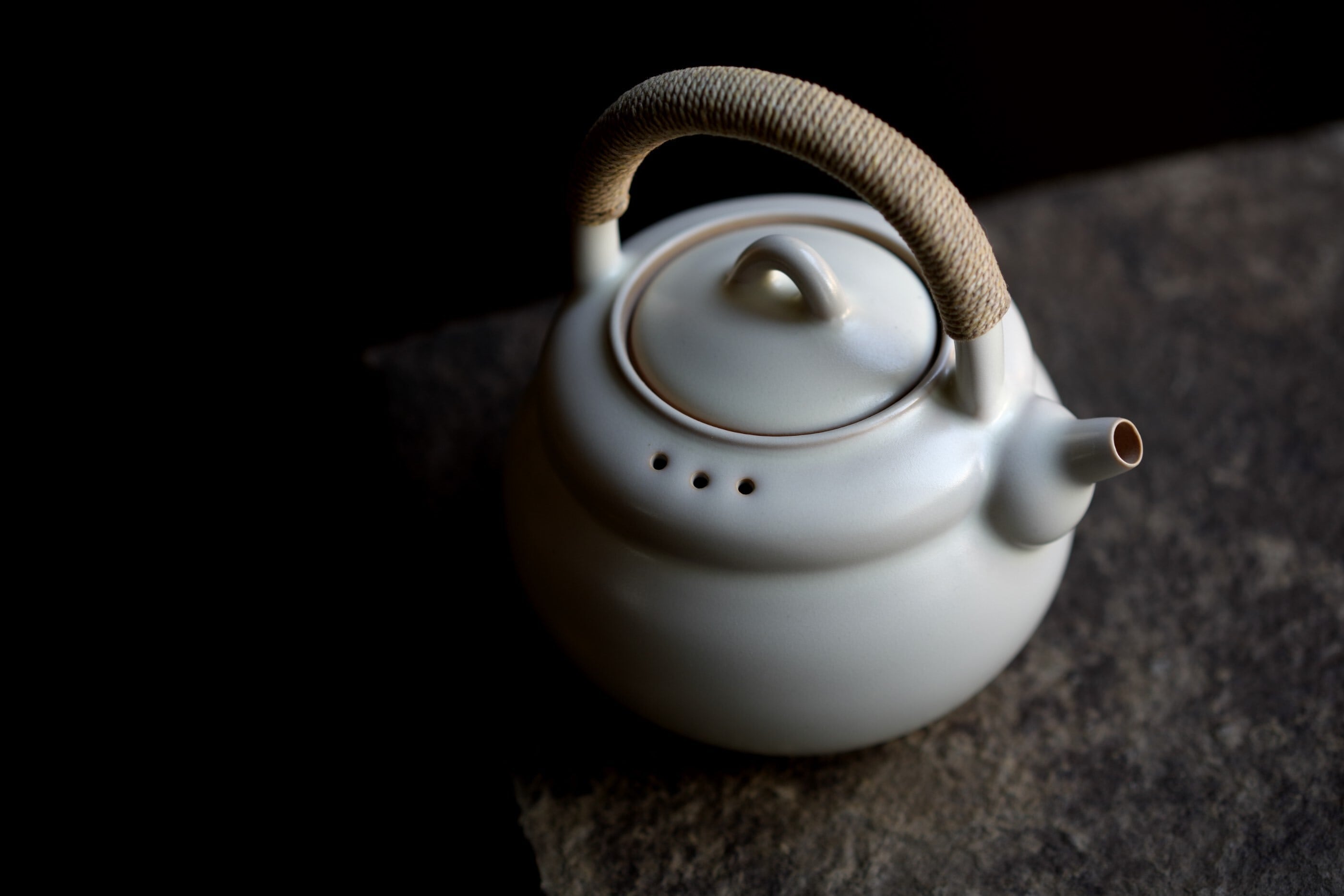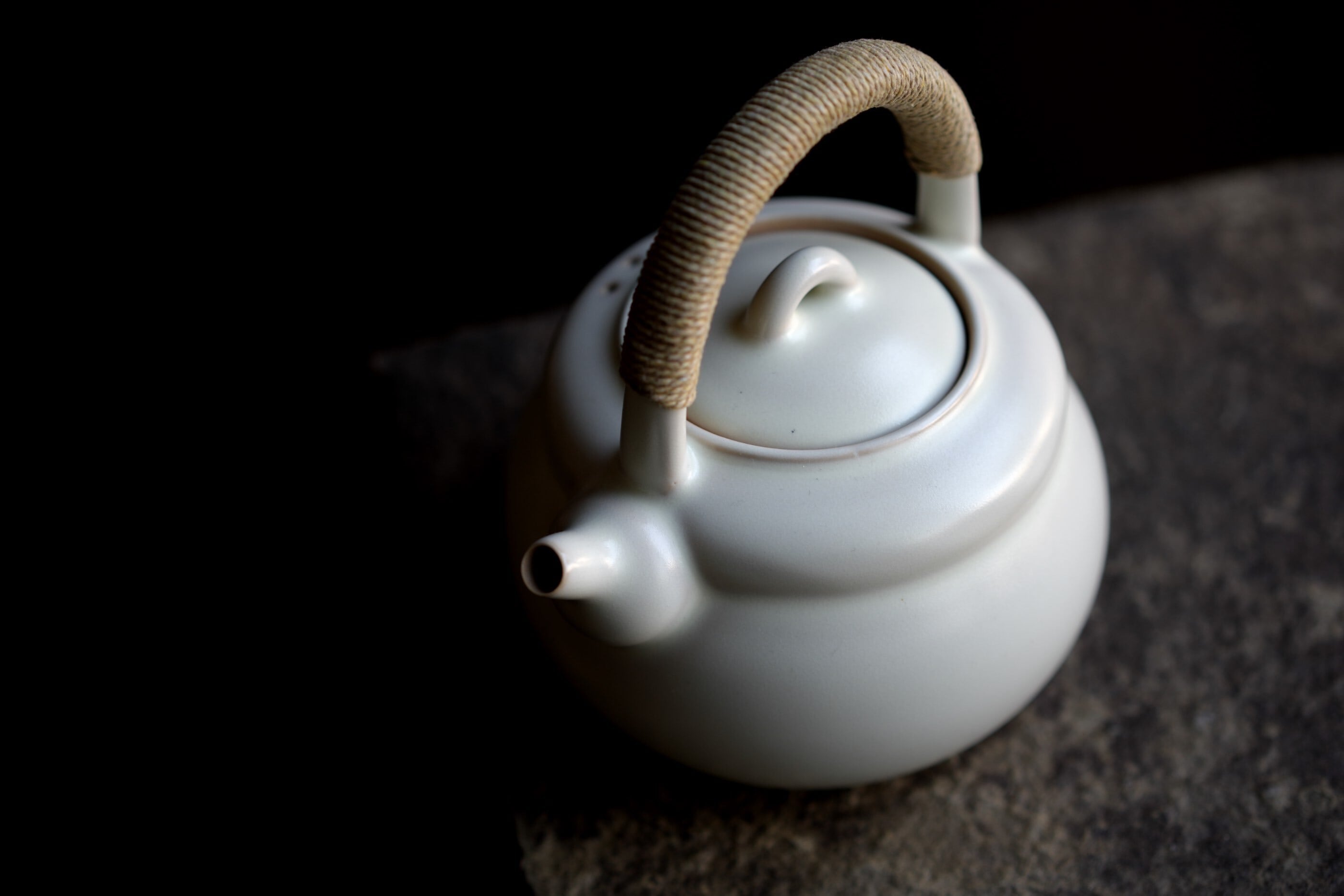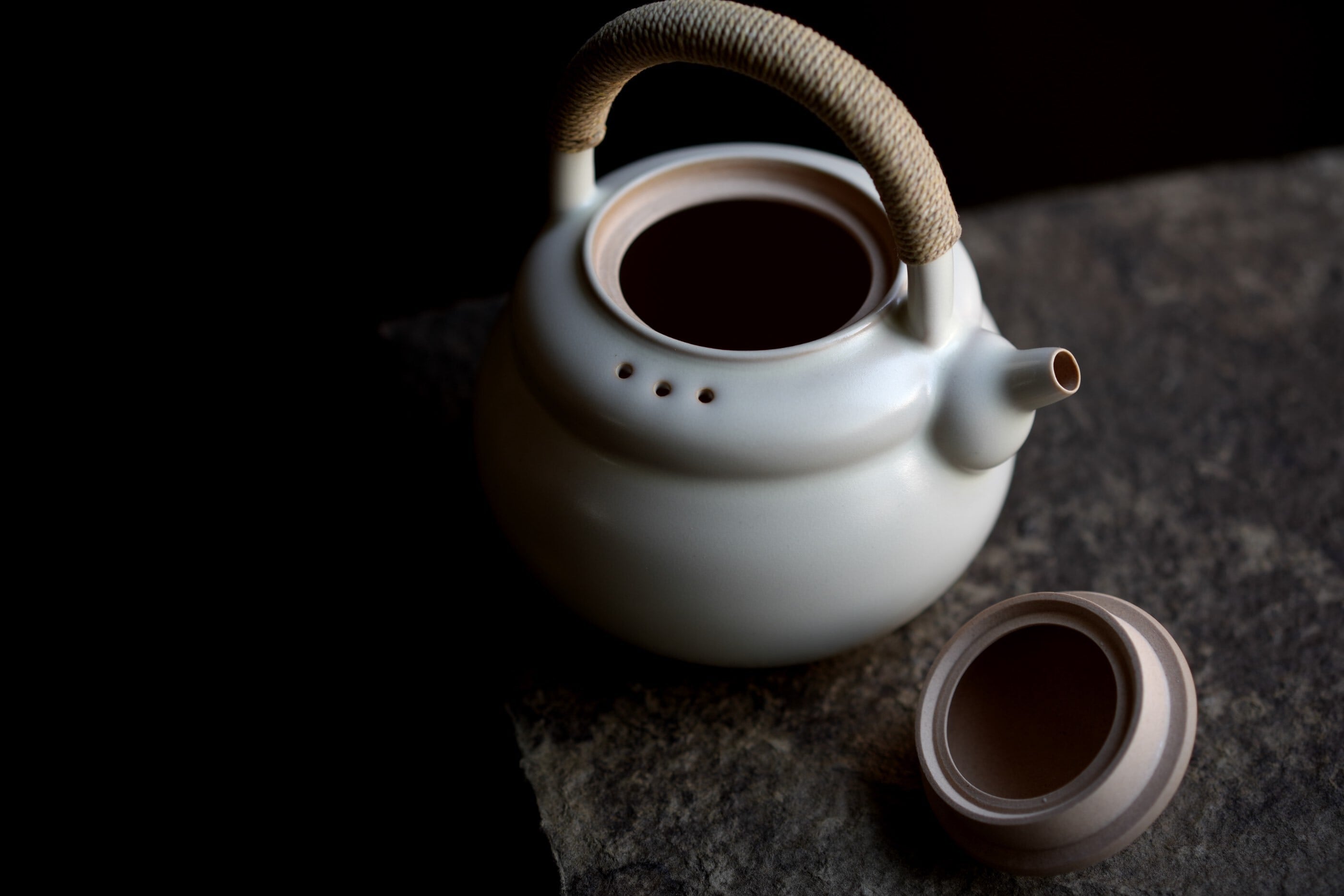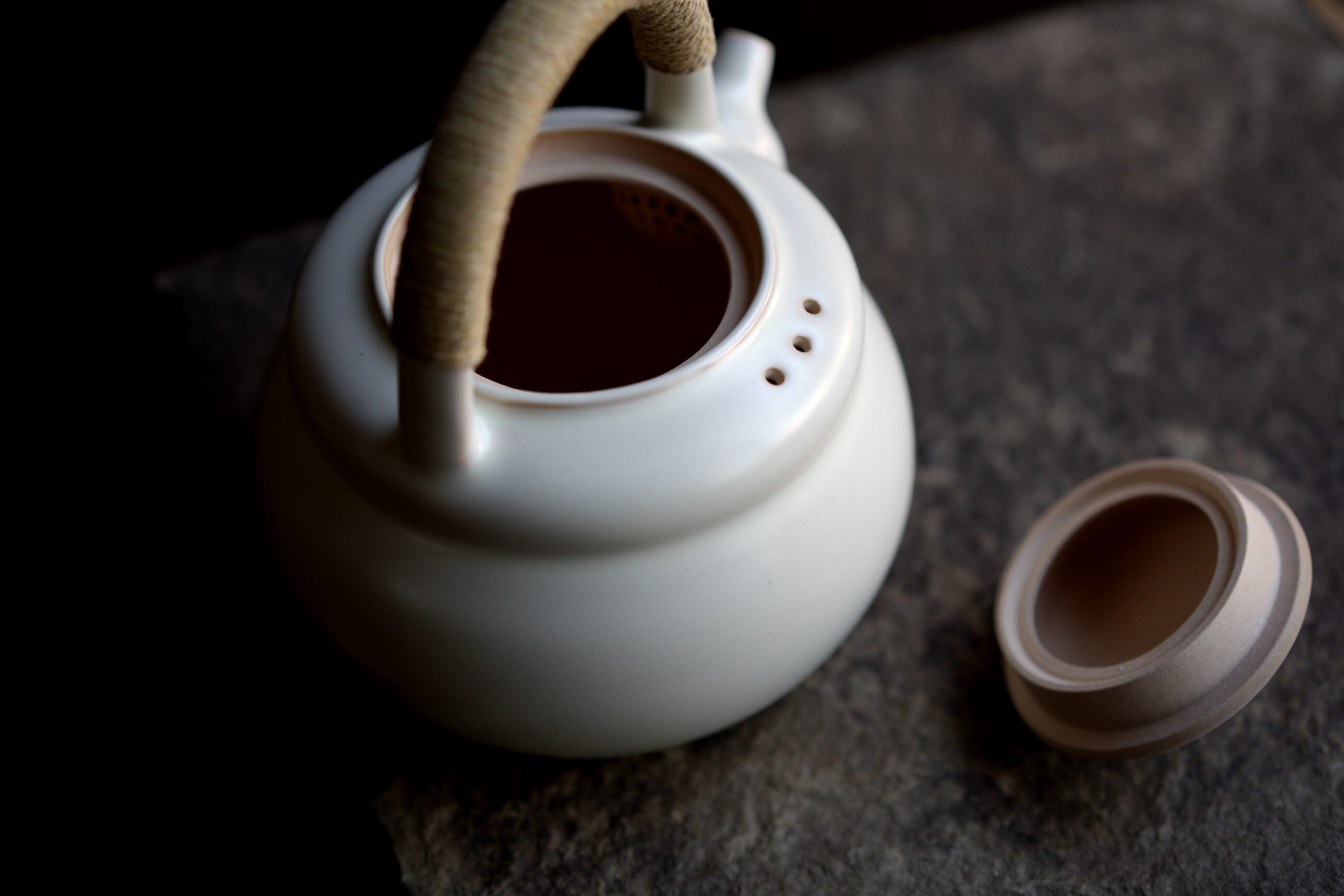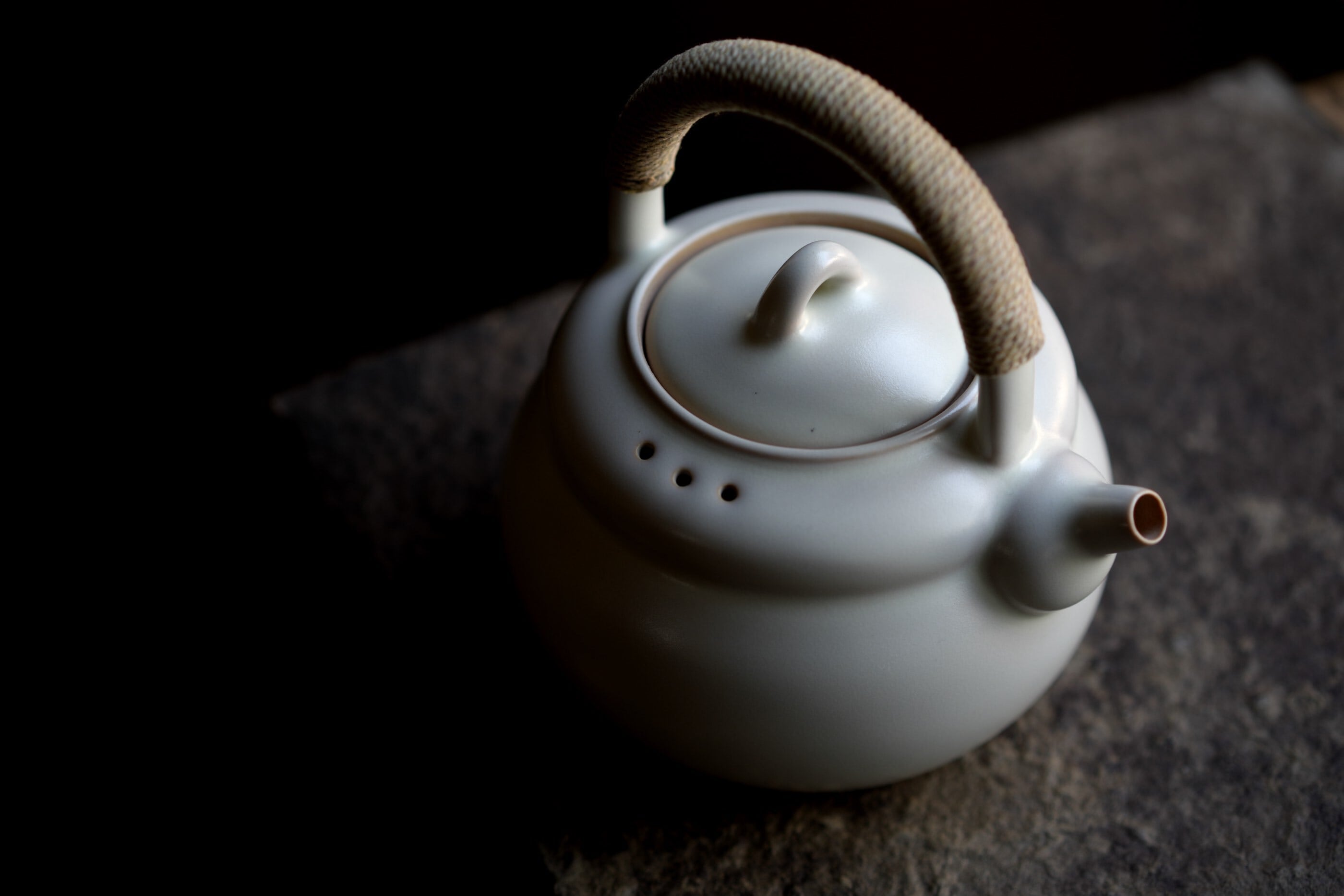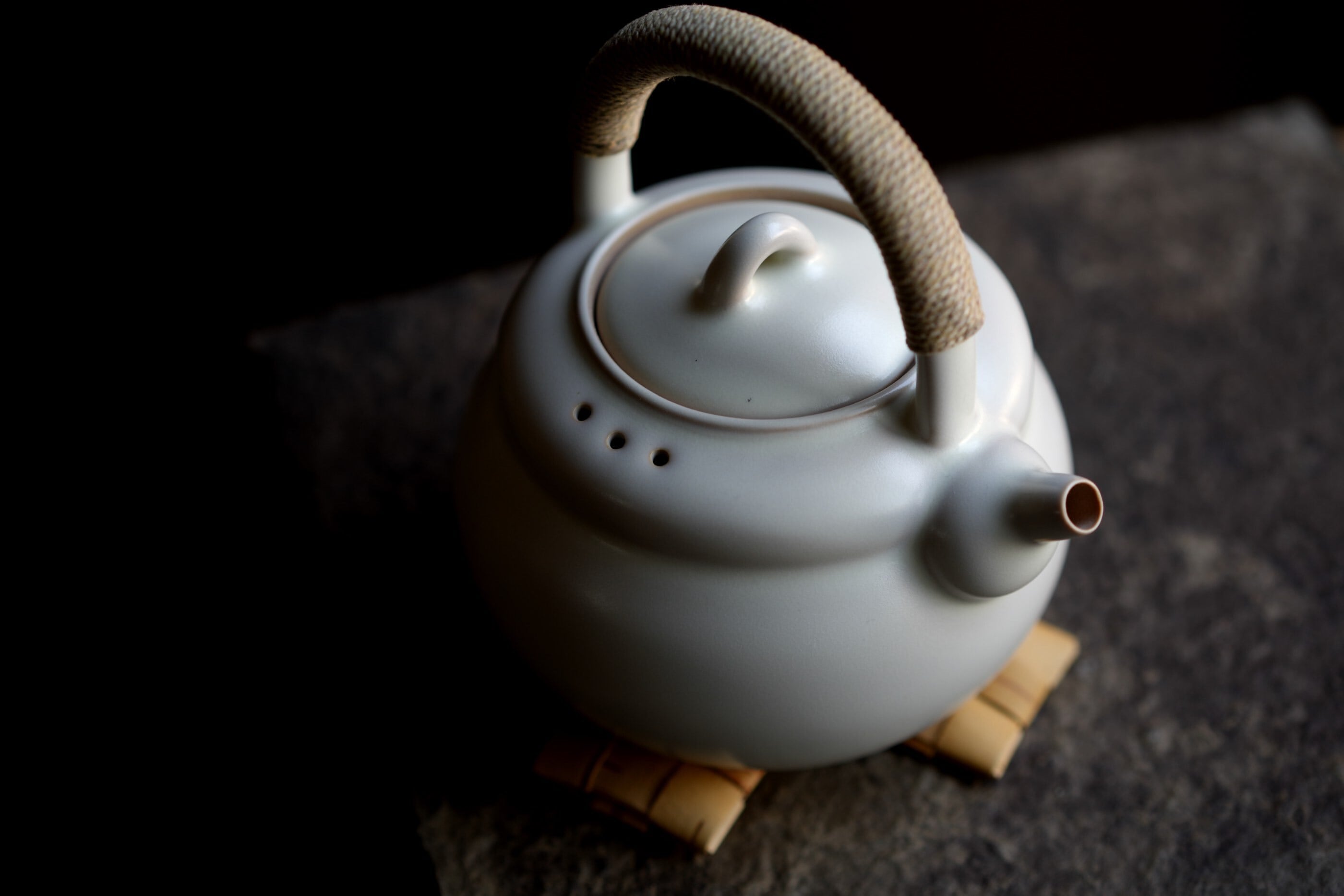


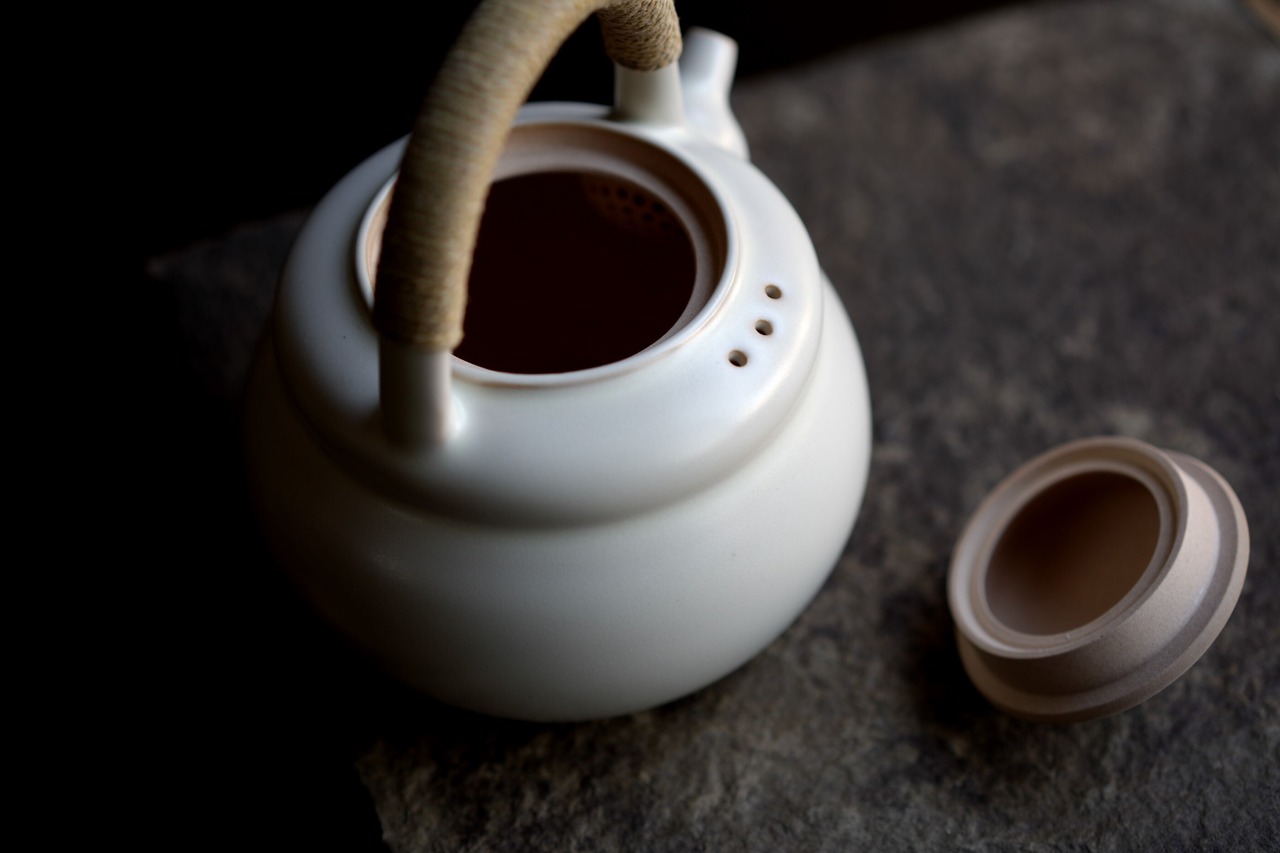



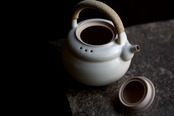



【 汐工坊 】酒精ランプ対応 湯沸かしケトル / 【 Tidal Atelier 】Handled teapot
¥6,600($42.07)
International shipping available
サイズ:
径 約 12.6 × 14.2 cm
高さ 約 16.2 cm
容量 約 950 ml
電子レンジ:✘ / 直火弱火(酒精ランプのみ):○ / オーブン:✘ / 食洗機:✘
作家や職人の手によって一つひとつ手作りされた品物です。表示されているサイズや容量は目安であり、多少の誤差があることをご了承ください。また、写真は実物の色味にできるだけ近づけておりますが、ご利用のモニター設定や照明などにより、実際の色味と多少異なる場合がございます。
耐熱テストの一部として、底面にわずかな焼け跡が見られることがあります。
白泥と味わいについて
この製品は中国の伝統的な白泥を使用して作られています。白泥や多孔質の陶土は微細な孔と鉱物成分を持ち、熱湯や茶と接触することで香りや味わいとの微量な相互作用が生じ、苦味や刺激がやわらぎ、まろやかで滑らかに感じられることがあります。これは陶土の特徴によるものであり、味覚体験の変化としてお楽しみください。
ただし、白泥自体が水質を浄化・ろ過する素材ではありません。ここで述べた効果は味覚体験上のものであり、水中の不純物や有害物質を取り除くものではありません。
加熱方法のリスクとおすすめ
白泥は伝統的な陶土であり、現代の耐熱土ではありません。したがって、加熱を急に強火で行うと熱衝撃で割れるリスクがあります。
このため、酒精ランプなどの弱火での加熱をおすすめします。酒精ランプは温度の上昇が緩やかで、陶器にかかるストレスを抑え、安全にご使用いただけます。
「目止め(目止め処理)」とその必要性
陶器には目に見えない微細な孔(穴)が多数あります。この孔は水分を吸収しやすく、長時間水分が残ると渗水(じんすい)や臭い移り、汚れの付着が起こることがあります。そのため、これらの孔をでんぷん質で埋めて塞ぐ処理を「目止め(めどめ)処理」といいます。目止めを行うことで吸水や汚れの染み込みをある程度抑えられます。
目止めの一般的な方法は下記の通りです(例):
米のとぎ汁、もしくは水に少量の片栗粉・小麦粉を溶かし、器が浸る程度にします。
弱火で煮立つ前まで温め、弱火で約15〜20分煮ます。
火を止めて自然に冷まし、一晩程度置いた後、液体を捨てて水洗いし乾燥させます。
目止めなしでのご使用について
もちろん、目止め処理を行わなくてもご使用いただけます。
ただし、白泥は吸水性があるため、目止めをしない場合は使っているうちに水分が陶土の孔を通って染み出す(渗水)ことがあります。この場合でも瑕疵ではありませんが、使用後は必ず壺の中の水を捨てて十分に乾燥させることをおすすめします。
Size:
Diameter approx. 12.6 × 14.2 cm
Height approx. 16.2 cm
Capacity approx. 950 ml
Usage:
Microwave: ✘ / Direct Low Flame (Alcohol Lamp Only): ○ / Oven: ✘ / Dishwasher: ✘
Each piece is handmade by artists and craftsmen. The displayed sizes and capacities are approximate, so slight variations may occur. Also, while we have made every effort to match the colors in the photos to the actual product, actual colors may differ slightly depending on your monitor settings and lighting conditions.
As part of heat-resistance testing, minor scorch marks may be visible on the base.
About White Clay and Taste Experience
This product is made from traditional Chinese white clay. Clay materials like this are naturally porous and contain mineral elements. When used with hot water or tea, these microscopic pores can interact with aromatic compounds, sometimes resulting in a smoother, more rounded flavor experience as certain harsh or bitter notes are subdued. This is a sensory effect related to the material and should be enjoyed as part of the unique experience of clay ware.
However, white clay itself does not purify or filter water quality. The effect described here relates to taste experience, not removal of impurities or harmful substances.
Heating Method Risk and Recommendation
White clay is a traditional earthen material, not modern industrial heat-resistant clay. Rapid high-temperature heating can cause thermal shock and cracking. Therefore, we recommend heating with an alcohol lamp or other gentle, stable low-heat source. The gradual temperature increase helps reduce stress on the clay and is a safer way to heat traditional white clay ware.
About Medome (Sealing Treatment) and Why It Matters
Porous clay ware has countless microscopic pores that can absorb water easily, which may lead to water seepage, odor absorption, or stains if moisture remains too long. A traditional preparation method known as “medome” (sealing the pores) uses starch (such as from rice water, rice rinsing water, or flour) to fill these pores and reduce water absorption.
A typical medome process includes:
Place rice rinsing water or flour/potato starch solution in a pot with the clay item, ensuring it’s fully submerged.
Heat on low heat until nearly boiling, then simmer for about 15–20 minutes.
Turn off the heat, let the piece cool naturally, dump the liquid, rinse, and dry thoroughly overnight before first use.
Using Without Medome
It is perfectly acceptable to use the product without performing a medome treatment. However, because natural clay is absorbent, water may slowly seep through the porous body (a normal characteristic of earthenware). To help prevent this, always empty the pot and dry it thoroughly after each use.
-
レビュー
(166)
- レビュー(166)